
Shopping for toddler toys can feel overwhelming. Store aisles are packed with flashing gadgets, giant playsets, and boxes that promise to “teach everything.” The truth is simpler: the best toddler toys support how children actually learn—by touching, moving, copying adults, stacking, knocking down, and pretending.
This parent-friendly guide explains what toddler toys are, why they matter, the main types families should know, and how to choose toys that are safe, useful, and fun for children roughly 12 to 36 months.
What Are Toddler Toys?
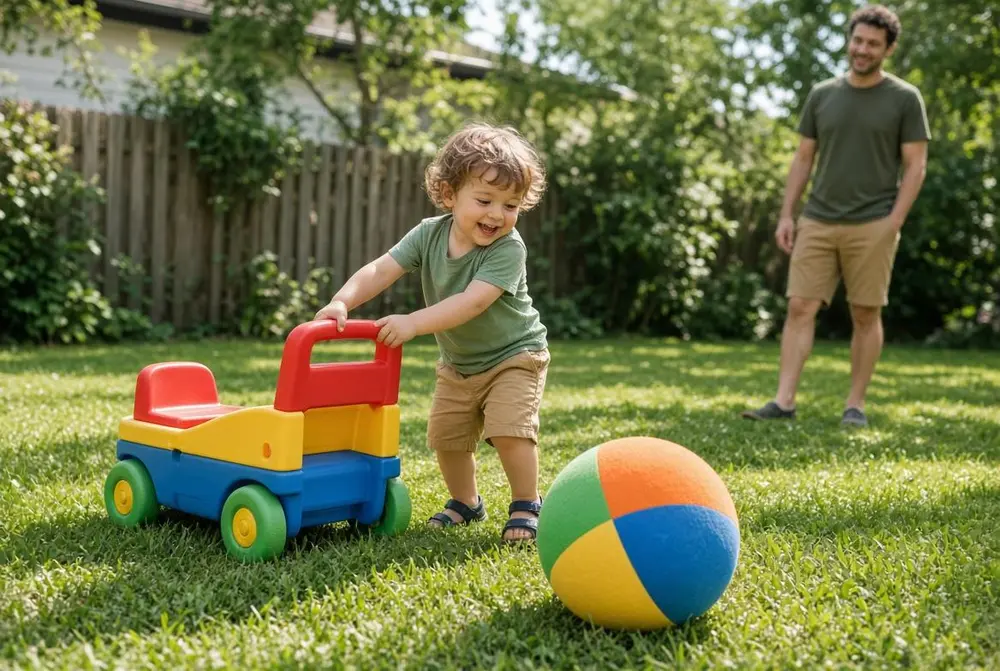
Toddler toys are playthings designed for children who are walking, talking in short phrases, and exploring independence. Unlike infant toys that are mostly for grasping and mouthing, toddler toys invite action. A toddler wants to push a cart, pour pretend tea, fit a shape into a hole, or carry a doll from room to room.
Good toddler toys are usually simple, sturdy, and open-ended. Open-ended means there is more than one way to play. A set of wooden blocks can become a tower, road, house, or snack shop. That kind of play lasts longer than a toy that only performs one trick when a button is pressed.
Age labels are safety guides first, not intelligence scores. A bright 18-month-old still needs toys without small parts. Always match toddler toys to your child’s developmental stage, not only to the number on the package.
Why Toddler Toys Matter for Development
Play is how toddlers practise real life. The right mix of toddler toys supports several skills at once.
- Motor skills: Push toys, balls, ride-ons, and large crayons strengthen large and small muscles. Stacking and posting toys refine the pincer grasp that later helps with writing and self-feeding.
- Language: Books, animal figures, and pretend kitchens give families words to share. Naming objects during play is one of the easiest ways to grow vocabulary.
- Thinking and problem-solving: Puzzles, nesting cups, and construction toys teach size, cause and effect, and persistence.
- Social and emotional growth: Dolls, stuffed animals, and dress-up clothes help children act out care, routines, and feelings. Pretend play is early practice for empathy and self-control.
You do not need a huge collection. Many parents find that a smaller rotation of quality toddler toys leads to longer, calmer play than a room overflowing with options.
Main Types of Toddler Toys
Below are the core categories most families use. Aim for a balanced mix rather than buying only one style.
1. Sensory Toddler Toys
Sensory toddler toys engage touch, sound, sight, and sometimes smell. Examples include textured balls, play dough, water tables, sand kits, crinkly fabric books, and simple musical instruments such as shakers or a toddler drum.
These toys help the brain organise incoming information. A child who squeezes dough, pours water, or listens to a soft rattle is practising attention and body awareness. Choose washable, non-toxic materials because toddlers still put objects in their mouths.
2. Building and Problem-Solving Toys
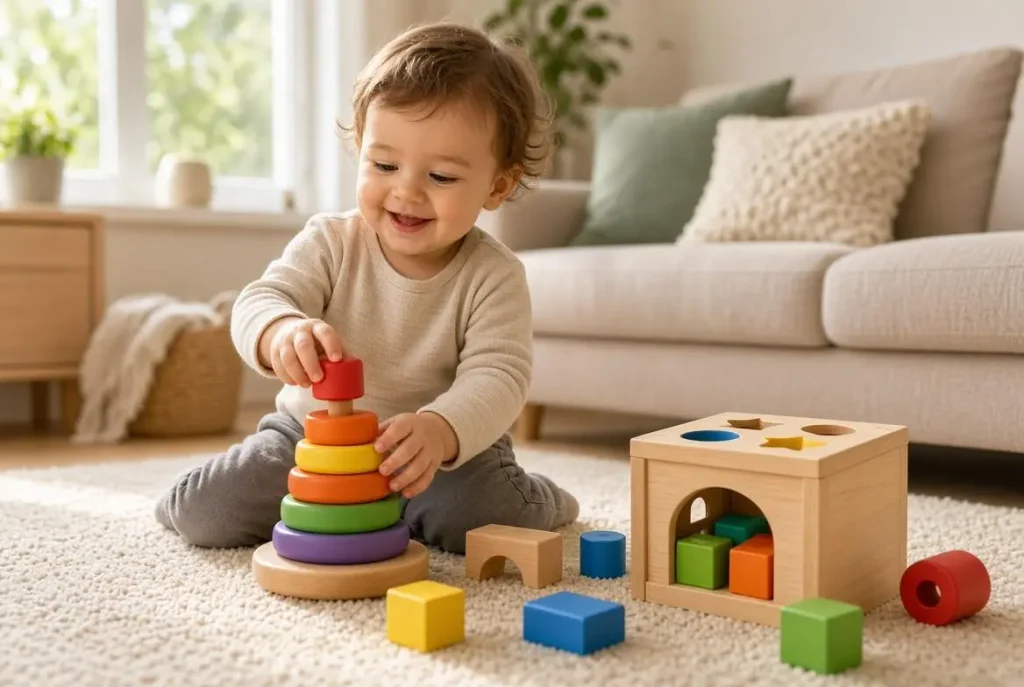
This group includes wooden or foam blocks, stacking rings, nesting cups, large interlocking bricks, knob puzzles, and shape sorters. They are some of the most reliable toddler toys because they grow with the child.
At 12 to 18 months, a child may dump and fill. By age two, the same blocks become towers. By age three, they become stories. Look for pieces that are large, smooth, and hard to swallow.
3. Pretend-Play Toddler Toys
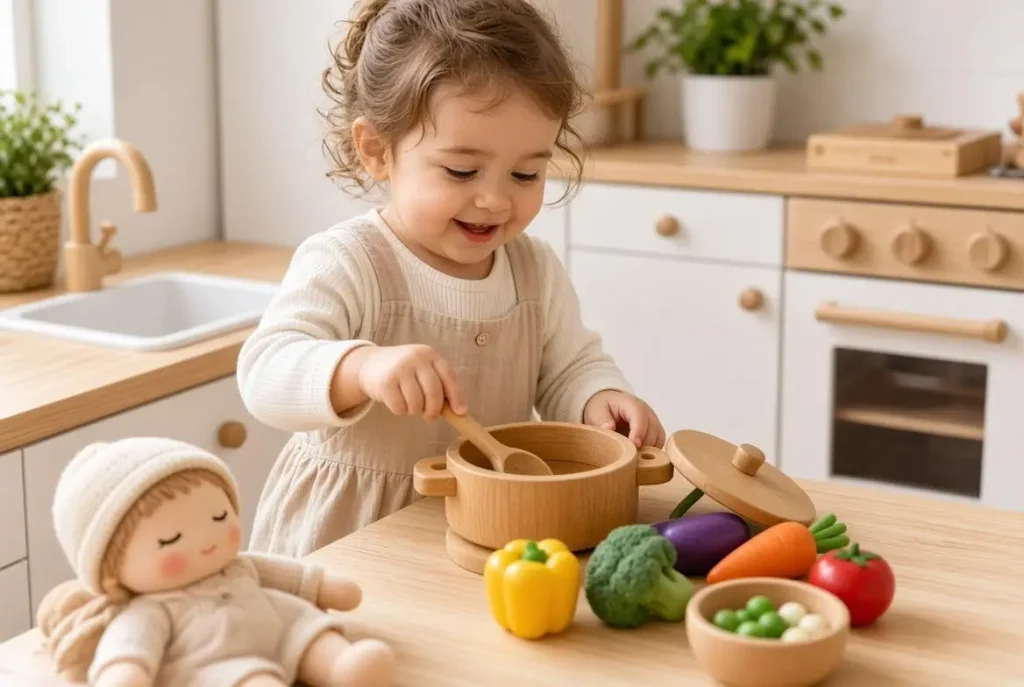
Pretend play blossoms between 18 and 36 months. Kitchen sets, play food, dolls, toy phones, doctor kits, tool benches, toy vehicles, and simple dress-up clothes all belong here. Toddlers copy what they see at home: cooking, caring for a baby, sweeping, and talking on the phone.
These toys support imagination and social skills. They also give children a safe way to rehearse routines such as bedtime or a doctor visit. Keep outfits and accessories simple so they are easy to use without frustration.
4. Active and Outdoor Toddler Toys
Toddlers need to move. Balls, push-and-pull wagons, ride-on cars without pedals, low slides, tunnels, and toddler bowling sets burn energy and build balance. Outdoor time can also improve sleep and mood.
Supervise ride-on toys and keep play areas free of sharp edges and busy roads. A large soft ball and a sturdy push wagon are often enough for daily active play.
5. Books and Quiet Learning Toys
Board books, cloth books, and simple picture books are essential toddler toys, even if they do not look like toys. Short stories, rhyme books, and books about daily routines build language and attention.
Quiet learning toys also include matching cards with large pictures, first counting frames, and wooden puzzles with familiar animals or vehicles. Real objects and shared play usually teach more than flashing apps.
6. Art and Creative Materials
Chunky crayons, large paper, stickers, play dough, and washable finger paints let toddlers make marks and explore colour. Art play strengthens hands and gives children a way to express feelings they cannot yet explain in words.
7. Musical Toddler Toys
Simple instruments—shakers, xylophones with chunky mallets, drums, and keyboards with volume control—support rhythm and listening. Keep the volume low, especially when a toy can be held close to the ear.
How to Choose Safe Toddler Toys
Safety is the first filter. A beautiful toy is useless if it can break, poison, or choke a child.
- Skip small parts for children under three. A piece that fits inside a toilet-paper tube is generally too small.
- Choose sturdy construction. Eyes, wheels, and buttons should not pull off.
- Look for non-toxic paint, BPA-free plastic, and lead-free finishes.
- Battery compartments should close with a screw.
- Avoid long cords and strings that can wrap around a neck.
- Choose washable fabric toys and check labels carefully.
- Check for recalls and follow the age recommendation on the box.
Inspect toys often. Remove items with cracks, loose magnets, damaged batteries, or broken plastic. Swallowed magnets and button batteries are medical emergencies.
Practical Buying Tips for Parents
Buy for the next six months, not the next six years. A toy that is slightly challenging is useful. A toy that is far too advanced usually sits unused or gets used in an unsafe way.
Prefer quality over quantity. A few well-made wooden or thick-plastic toddler toys often outlast a pile of cheap items. If budget is tight, look for sturdy second-hand blocks, books, and ride-ons, then clean them thoroughly.
Rotate toys. Keep some items in a cupboard and swap them every couple of weeks. Familiar toys feel new again, and play stays focused.
Watch your child. The best list matches your toddler’s real interests. A child who loves water may get more from cups and a basin than from another talking gadget. A climber may need more outdoor time than another puzzle.
Toddler Toys by Age
| Age | Helpful toddler toys | Skills supported |
|---|---|---|
| 12–18 months | Push toys, stacking rings, board books, large balls, nesting cups | Walking, grasping, early words, cause and effect |
| 18–24 months | Shape sorters, simple puzzles, dolls, toy cars, play-kitchen pieces | Problem-solving, first pretend play, vocabulary growth |
| 24–36 months | Ride-ons, art supplies, larger puzzles, dress-up, building sets | Imagination, coordination, early planning, social play |
Frequently Asked Questions About Toddler Toys
What kind of toddler toys are best?
The best toddler toys are safe, sturdy, and open-ended. Blocks, books, balls, pretend-play props, and simple puzzles usually provide more lasting value than single-use electronic toys.
How many toddler toys does a child need?
Fewer than most homes have. A practical mix is a few active toys, building toys, pretend-play pieces, books, and one or two sensory options. Rotation matters more than the total number.
Are wooden toddler toys better than plastic?
Not automatically. Wood is often durable and simple. Quality plastic can be lighter, easier to clean, and better for outdoor use. Material matters less than safety, size, and how the child actually plays.
When should I stop buying infant toys?
Keep favourites as long as they are safe and interesting. Many children still enjoy stacking rings and soft dolls well past age two. Replace items that have small parts or worn pieces.
Final Thoughts
Toddler toys work best when they invite your child to do something: stack, push, pour, pretend, draw, or run. You do not need the latest licensed character or most expensive set. You need a small collection that matches your toddler’s age, keeps them safe, and leaves room for imagination.
Start with the basics—books, blocks, a ball, a push toy, and one pretend-play set. Add sensory or art materials when you can supervise the mess. Watch how your child plays, then choose the next toy to support that interest. This approach turns toddler toys from clutter into tools for growing, learning, and everyday joy.